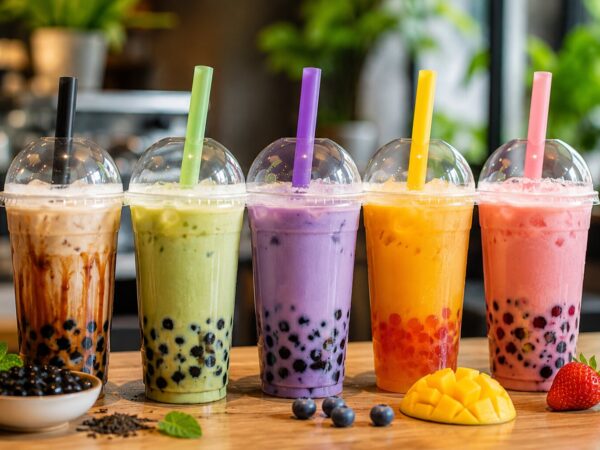
Plastic is one of the most debated packaging materials due to its impact on nature and the oceans. Consequently, many manufacturers invest significant time into developing more environmentally friendly plastic cups. In this post, we will explore the different types of materials used to make plastic cups, as well as the pros and cons of their environmental impact.
PET
PET plastic is the most commonly used material for both packaging and other plastic products. PET stands for polyethylene terephthalate, which is derived from naphtha (a petroleum extract) and is therefore made from a natural resource.
This is typically 100% virgin plastic rather than recycled material, making it a standard choice for plastic cups and other food packaging. This is largely because European regulations make it very difficult for manufacturers to get approval for using recycled plastic in direct contact with food.
Recycling and Decomposition:
- Recycling: While PET is recyclable, facilities often find it challenging to process if it was used for food packaging (like cups or lids). Food-grade plastic requires a different recycling process and cannot always be mixed with general plastic waste.
- Decomposition: PET plastic does not biodegrade in nature, nor can it be broken down in composting facilities. Therefore, it is either recycled or incinerated for energy recovery.
rPET
rPET is not yet a universally widespread material and is primarily used in construction projects. rPET stands for recycled polyethylene terephthalate, meaning it is simply plastic made from recycled PET. It maintains the same quality as virgin plastic.
Due to EU food safety and health regulations, rPET is not commonly used for food packaging. However, some large-scale manufacturers are testing rPET for plastic cups. The manufacturers we partner with can offer cups certified with up to 50% rPET content.
Recycling and Decomposition:
- Recycling: rPET can be recycled following the same principles as standard PET. However, there is a limit to how many times it can be reused before the material becomes structurally unstable.
- Decomposition: In terms of decomposition, rPET behaves exactly like virgin PET.
PLA
PLA is not yet a mainstream plastic material, but it is increasingly used in food packaging as a more sustainable alternative. PLA stands for polylactic acid, which means the plastic is made from plant-based materials, typically corn starch.
While many manufacturers are capable of using PLA, a global shortage of the raw material means most suppliers struggle to maintain a consistent supply.
Recycling and Decomposition:
- Recycling: Technically, PLA can be recycled, but because it is not a very durable material, the resulting end-product is often of low value. Currently, there is no real market for recycled PLA due to its poor quality. As a result, PLA is mostly incinerated for energy.
- Decomposition: PLA is biodegradable under specific conditions. It requires professional industrial composting facilities to break down. The main issue is that many countries lack the necessary infrastructure to process PLA waste effectively.
Conclusion
The primary challenge with recycling and decomposing plastic—whether it is PLA, PET, or rPET—is the sorting process. To be handled correctly, these materials must be delivered to the appropriate facilities that have the technology to process each specific type.
-
 Dome-Lid Cups for Summer Drinks: How to Choose the Ideal Packaging for a Coffee Shop or Fast-Food BusinessMore details
The summer season is the peak period for selling refreshing cocktails, iced coffee, smoothies, and...
-
Bubble Tea and What It’s All About: A Guide to the Main Summer Trend for Ukrainian Coffee ShopsMore details
With the arrival of warm weather, the streets of Ukrainian cities fill with people again:...
-
Coffee Shop Equipment List: 12 Essential Items for a Successful StartMore details
Launching your own coffee shop in 2026 requires not just a passion for coffee, but...
-
How to Choose Packaging for Food Delivery: A Complete Guide for Restaurant and Cafe OwnersMore details
In 2026, the restaurant business has finally transformed: delivery has grown from an additional service...
-
The future of disposable tableware: eco-friendly materials and sustainable solutionsMore details
The modern packaging market is rapidly changing under the influence of global environmental challenges and...