Coffee Shop Equipment List: 12 Essential Items for a Successful Start

Launching your own coffee shop in 2026 requires not just a passion for coffee, but a precise calculation of every technical detail. The modern market dictates high standards, where the quality of equipment directly impacts service speed and customer loyalty. In this article, we will break down the complete list of necessary inventory — from professional espresso machines to innovative packaging that will help your business succeed from day one.
Introduction: Where Does Technical Equipment Begin?
Opening a coffee shop in 2026 is more than just buying beans and finding a location. It is the creation of a high-tech ecosystem where every element affects the final result. Many aspiring restaurateurs make the mistake of believing that success depends solely on an expensive coffee machine. However, in practice, a guest’s overall impression is formed by small details: taste stability, speed of service, and the aesthetics of the presentation.
Technical equipment must be balanced. It is important to understand what equipment is needed for a coffee shop so as not to overpay for unnecessary functionality, while also avoiding breakdowns in the very first month. Consumables occupy a special place in the business model. High-quality packaging is the face of the brand. In this regard, Optipak, as a leading manufacturer of plastic packaging, becomes a strategic partner for businesses, providing the HoReCa segment with reliable containers that withstand the rhythm of a modern city.
Primary Technological Equipment for the Bar

The heart of the establishment is the bar area. This is where the magic of turning a bean into a beverage happens, and it is where the main investments are concentrated. Properly selected coffee shop equipment guarantees that your barista can deliver consistent results even during peak hours.
Professional Espresso Machine and Grinder
The choice of coffee machine depends on the planned traffic. If you are focused on high volume, you should buy a two-group espresso machine with an automatic dosing system. In 2026, renting coffee shop equipment is also popular, allowing for a lower entry threshold. If the budget is limited, you can consider a used coffee machine, but only after complete decalcification and replacement of all gaskets.
An on-demand grinder should always stand next to the machine. Remember: the grind is a variable that needs to be adjusted several times a day depending on air humidity.
Refrigeration and Freezing Equipment
Milk, alternative beverages, and desserts require strict adherence to temperature regimes. Professional refrigeration equipment for the bar should be compact but powerful enough to maintain a temperature of +2…+4°C despite frequent door openings.
Water Filtration System
Water makes up 98% of a cup of coffee. Without a multi-stage purification and mineralization system, even the most expensive beans will have a flat taste, and the coffee machine’s boiler will quickly become covered in scale.
Equipment for the Takeaway Zone and Display Cases

In a metropolis, the “coffee to go” format generates up to 70% of the profit. Therefore, the organization of the pickup area and display cases requires special attention.
Display Case for Desserts and Ready-to-Eat Meals
Visual merchandising is the engine of additional sales. For in-house dessert production, quality presentation is crucial. This is where rigid PET film comes to the rescue — the ideal material for thermoforming packaging. Using PET provides flawless shine and exceptional clarity, allowing the guest to see the texture of the cream or the gloss of the glaze. Such packaging does not cloud over and effectively emphasizes the premium nature of the product.
Pickup Zone Organization: Cups and Accessories
The pickup zone is the final point of contact. Your checklist must include clear cups for lemonades and ice menus. It is important to buy plastic cups in bulk directly from a manufacturer like Optipak to guarantee a perfect lid fit.
- Lids for disposable cups must have a secure lock.
- Lids for paper cups must ensure full airtightness so that the client does not ruin their clothes when carrying a hot latte.
Ancillary Equipment and Inventory
If the coffee machine is the heart of the shop, the ancillary inventory is its hands. Even the most expensive equipment will prove useless without precise adjustment tools and accessories that allow the barista to follow the technical card and maintain cleanliness at the workplace.
Scales, Tampers, and Pitchers
Precision is the key to repeatability of taste from cup to cup. Professional coffee scales with a timer allow for control over extraction time and the mass of the finished drink. An ergonomic tamper is necessary to form a uniform coffee puck (the process itself is called tamping), and a steel pitcher of the correct shape is needed for high-quality milk frothing for cappuccinos.
Ice Maker (Essential for Cold Drinks)
During the summer season and for developing a menu of cold drinks, an ice maker for the coffee shop becomes a primary necessity. It is recommended to choose models that produce cube ice — it melts slower than flake ice, preventing the dilution of the lemonade or iced latte with excess water.
Why Consumables Are Also Part of the “Equipment”?

Cups and lids are tools for “selling” the product. Purchasing directly from the manufacturer, Optipak, significantly reduces the cost per serving by eliminating intermediary markups.
Aesthetics and Functionality of Optipak Packaging
Products are made from food-grade polymer material, which provides:
- Thermal resistance: no deformation.
- Clarity and gloss: a premium look for beverages.
- Branding: logo printing for brand recognition.
- Recycling: compliance with eco-trends.
Storage and Prep Inventory
Proper organization of the “behind-the-scenes” space directly affects work speed and the absence of write-offs. Proper ingredient storage allows for optimized inventory, minimized product contact with air, and ensures compliance with sanitary norms in the prep area.
Ingredient Storage Containers
Transparent containers protect beans and toppings from moisture and odors, maintaining order in the warehouse.
Mixers and Blenders for Cocktails
For smoothies and cold foam, you need a powerful blender, preferably with a sound enclosure, so as not to disturb the atmosphere in the hall.
Point of Sale (POS) System and Automation
In 2026, a POS system is not just a cash register, but a tool for sales analytics, inventory management, and loyalty programs.
Climate Control and Ventilation
A powerful hood over the prep area and air conditioning are critical for guest comfort and the stable operation of the equipment.
Pre-Opening Checklist: What Can’t You Skimp On?
In conclusion, remember: you can save on decor, but there are basic things where compromise is impossible:
- Water Quality: Filters protect the equipment and the taste.
- Commissioning Works: Professional setup extends the life of the equipment.
- Consumables: Cups and lids must always be new and of high quality.
By choosing Optipak as your plastic packaging and tableware manufacturer, you are investing in reliability. Our packaging helps your product look flawless, creating a foundation for the loyalty of your regular customers.
-
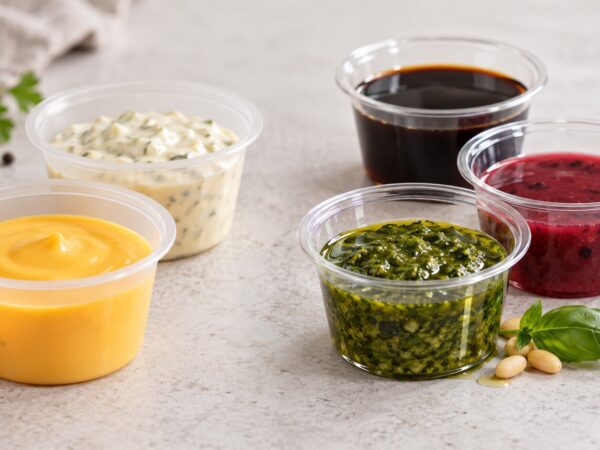
 Sauce Cups and Mini Containers (10–50 ml): Closure Options, Materials, and Leak Resistance During TransportationMore details
In food delivery, every packaging detail matters. Food containers will not save an order if...
-
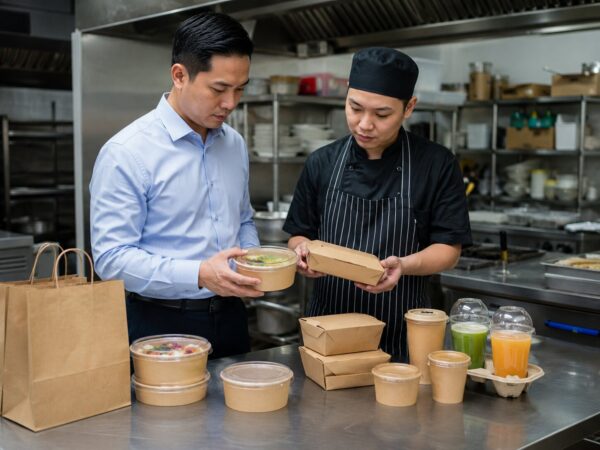
How Packaging Affects Ratings on Glovo and Bolt Food: A Guide for Restaurants and Coffee ShopsMore details
Delivery customers evaluate not only the taste but also the condition of the order when...
-
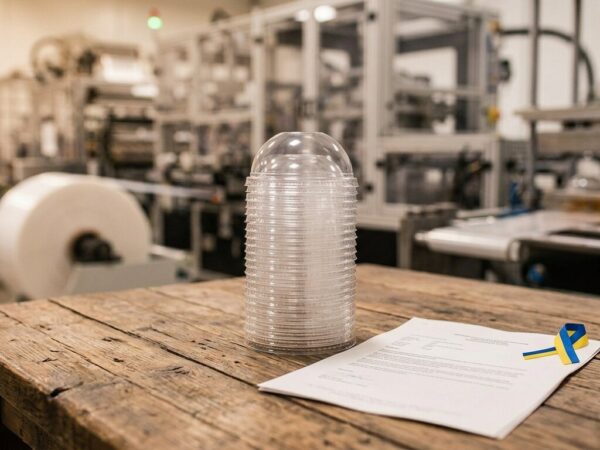
Dome-Lid Cups for Summer Drinks: How to Choose the Ideal Packaging for a Coffee Shop or Fast-Food BusinessMore details
The summer season is the peak period for selling refreshing cocktails, iced coffee, smoothies, and...
-
How a Coffee Shop Can Reduce Packaging Costs: Purchasing Directly from the ManufacturerMore details
Every coffee business owner knows that the profitability of an establishment depends on many small...
-
How to Start a Sushi Delivery Business from Scratch: A Step-by-Step Guide for EntrepreneursMore details
The fast-food industry continues to demonstrate steady growth, while Japanese cuisine firmly maintains its leadership...