- What Is Thermoforming and Where Is PET Film Used?
- Which PET Film Characteristics Affect Packaging Quality?
- What Types of PET Film Are Used for Thermoforming?
- How Do PET Film Properties Affect the Thermoforming Process?
- How to Choose PET Film for a Specific Production Application
- Which Product and Equipment Parameters Should Be Considered?
- How to Test the Material Before Mass Production
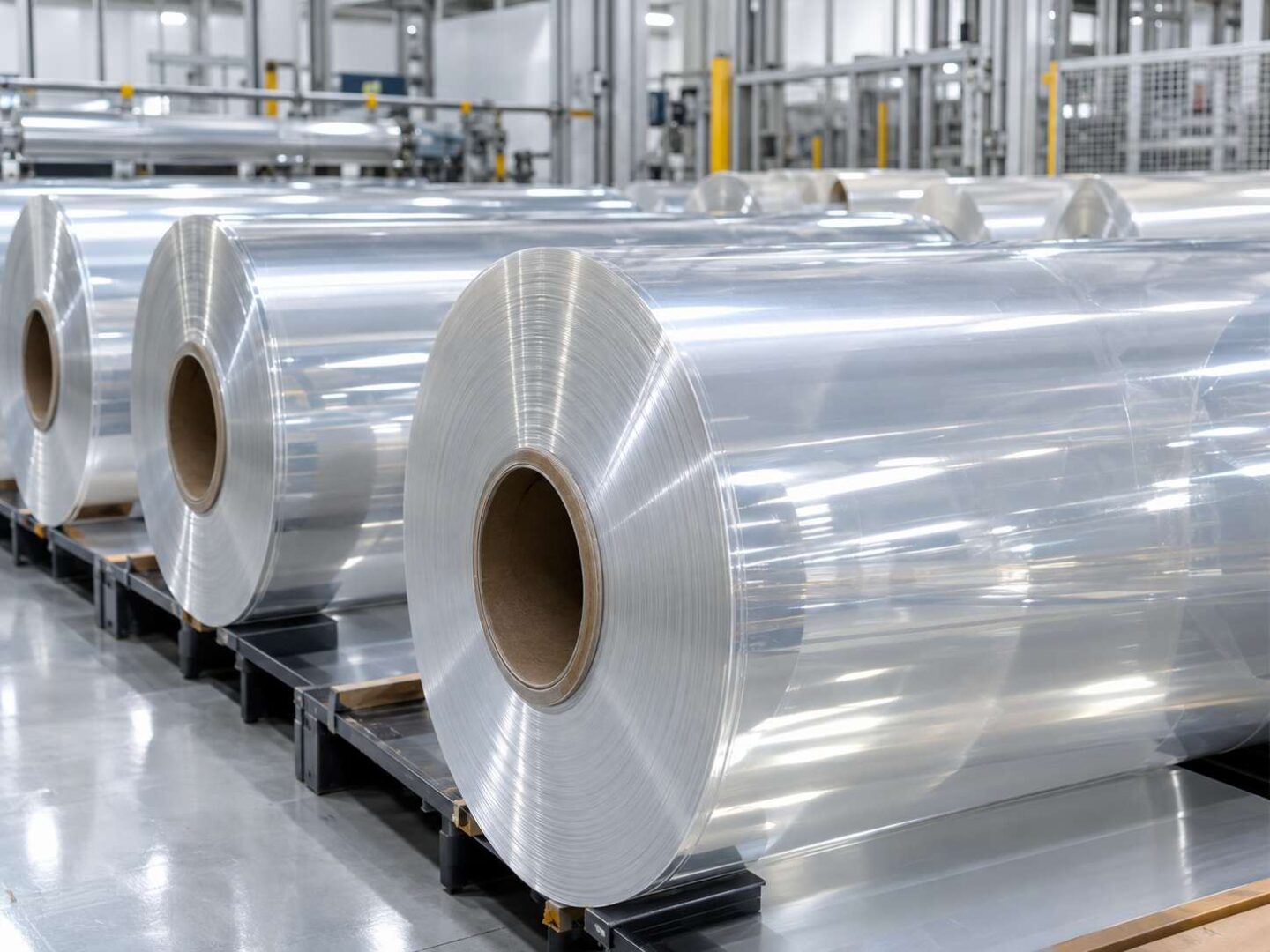
PET film for thermoforming is selected according to the specific product, mold, and production line parameters. When purchasing, it is important to consider not only thickness but also sheet uniformity, rigidity, transparency, raw material type, roll width, and behavior during heating. Let’s examine what affects packaging quality and what should be checked before starting mass production.
What Is Thermoforming and Where Is PET Film Used?
Plastic thermoforming is a process in which a sheet or continuous roll of material is heated until it becomes pliable, formed using vacuum, pressure, or a combination of both, then cooled and trimmed. This plastic thermoforming technology enables the mass production of packaging with specified dimensions and geometry.
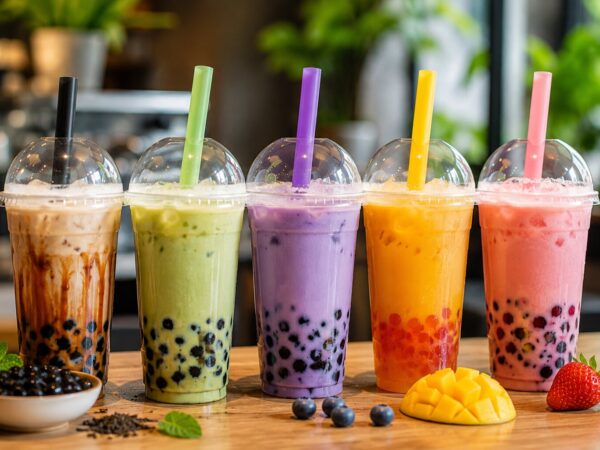
The main applications of PET film include plastic cups, lids, containers, trays, confectionery inserts, blister packs, and inserts. PET is particularly popular where packaging transparency, an attractive appearance, and sufficient rigidity of the finished product are important.
Which PET Film Characteristics Affect Packaging Quality?
The main characteristics of PET film work together. Thickness affects the amount of material available during stretching, transparency determines appearance, and sheet uniformity influences forming stability. Therefore, PET film properties are evaluated both according to technical specifications and through testing on a specific production line.
Material Thickness and Uniformity
The deeper the product, the more the material stretches along its walls and bottom. A sheet that is too thin may result in weakened corners and walls, while excessive thickness increases raw material consumption and changes heating requirements.
Uniform thickness across the entire width is equally important. Thickness variations cause uneven heating and stretching: one part of the product forms correctly, while another becomes thinner or fails to maintain its intended shape.
Optipak produces PET material in rolls and sheets for thermoforming operations. The catalog includes options with different thicknesses and widths, allowing the material to be matched to the equipment’s working area and mold layout.
Strength, Rigidity, and Resistance to Deformation
Finished packaging must maintain its shape during filling and transportation. In deep-formed products, corners, bottoms, and transition areas are the most vulnerable. If the walls become excessively thin in these areas, the product loses rigidity. This problem can be addressed by selecting an appropriate thickness and adjusting the forming parameters.
Transparency and Surface Quality
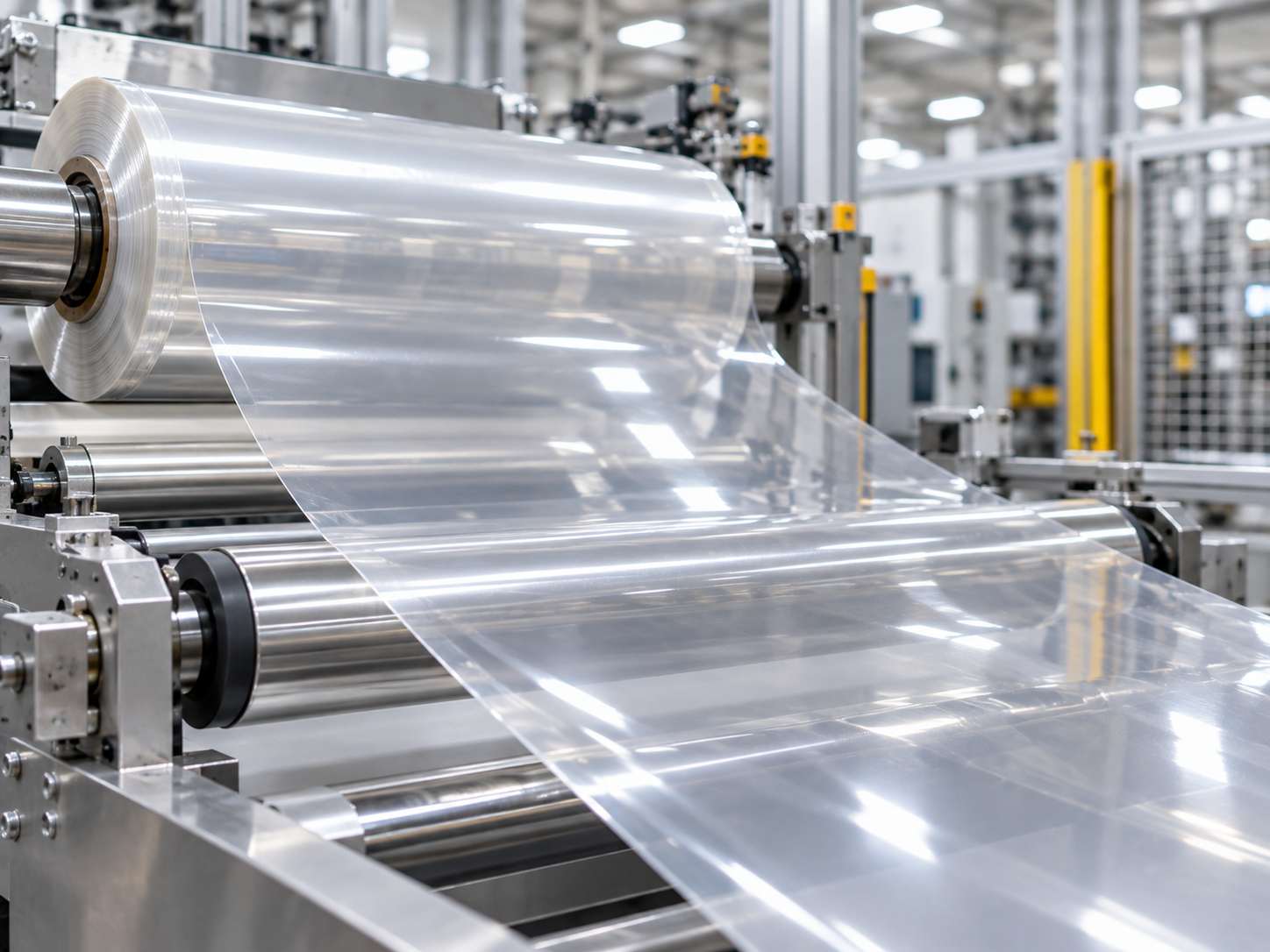
For cups, containers, and blister packs, transparency is often an essential part of product presentation. Scratches, inclusions, cloudiness, and signs of localized overheating are particularly noticeable on PET.
Therefore, surface quality should be checked not only on the original PET film but also on the finished test product. After heating, the material should maintain a uniform appearance without noticeable cloudy areas or defects.
What Types of PET Film Are Used for Thermoforming?
APET, or amorphous polyethylene terephthalate, is widely used to produce transparent thermoformed packaging because of its good optical properties. RPET refers to material containing recycled PET. Recycled raw materials can also be used to produce amorphous film.
When comparing APET and RPET, differences should be evaluated based on composition, material structure, and finished product requirements. Transparency, thermoformability, and consistency of characteristics depend on raw material quality, manufacturing technology, and recycled polymer content.
When choosing between virgin and recycled PET, consider technical documentation, further processing conditions, and the intended application of the packaging. If the product will come into contact with food, the suitability of the specific material for food-contact applications must be confirmed separately.
How Do PET Film Properties Affect the Thermoforming Process?
The main features of PET thermoforming are related to uniform heating. The sheet must become sufficiently pliable for stretching without overheating. Insufficiently heated material does not conform well to the mold contours, while excessive heating can cause sagging, cloudiness, and uneven thickness.
The PET thermoforming temperature cannot be defined by a single value for all production processes. Operating conditions depend on the PET type, sheet thickness, heating time, equipment design, mold, and cycle speed. Therefore, the temperature is determined during a trial run based on recommendations for the specific material.
How Heating and Draw Depth Affect the Result
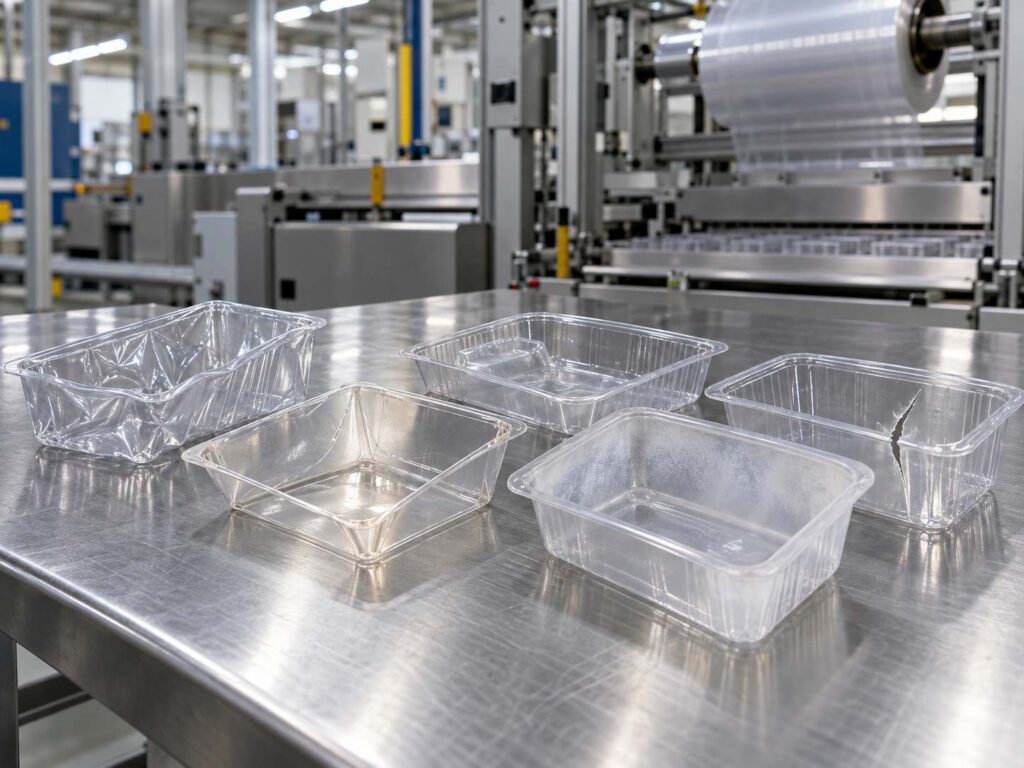
As mold depth increases, the material is redistributed more significantly between the rim, walls, and bottom. Insufficient heating can result in incompletely formed areas, while excessive heating may cause significant sagging and uneven thickness.
For complex products, draw depth, radii, corners, and bottom width must be considered. Sometimes increasing the temperature does not solve the problem: a different initial thickness, separate adjustment of heating zones, or additional forming assistance may be required.
Common Defects and Their Causes
The following defects may indicate problems with the material or process settings:
- wrinkles – uneven heating or excess material in certain areas;
- thin corners and bottoms – excessive stretching or insufficient initial thickness;
- incomplete forming – insufficient heating, inadequate vacuum, or an excessively short cycle;
- cloudiness – overheating or changes in the material structure;
- tears – excessive stretching, sheet defects, or unsuitable processing conditions.
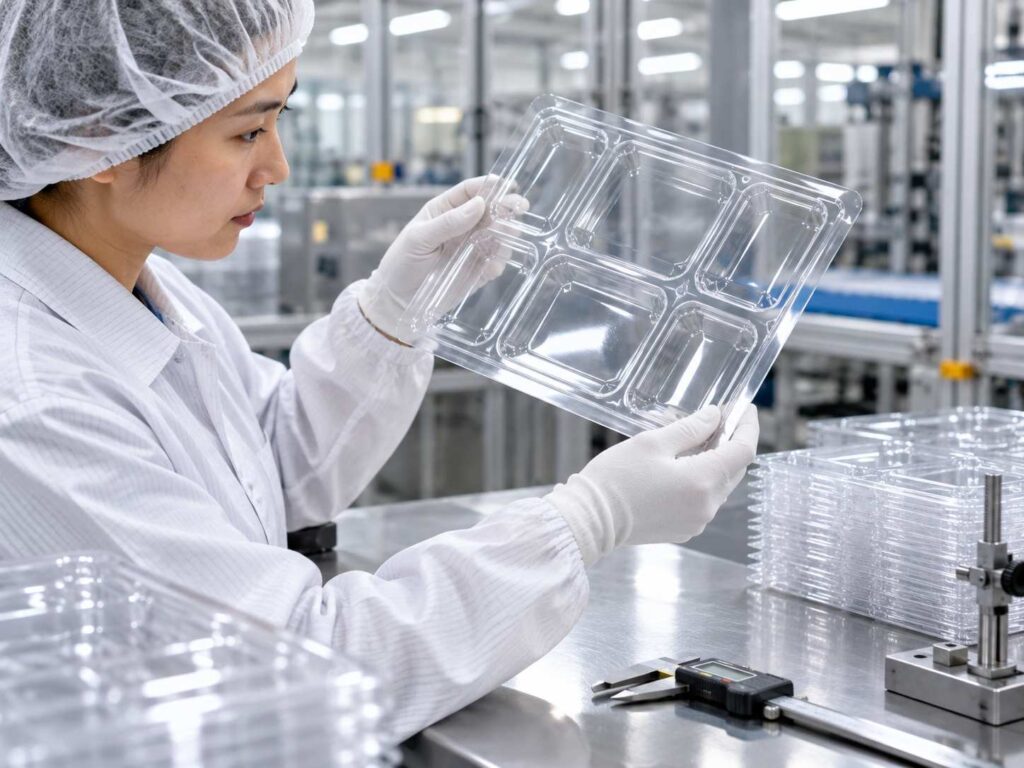
If a defect repeatedly occurs in the same area, it is necessary to check not only the raw material but also the heaters, vacuum channels, mold, and sheet feeding system.
How to Choose PET Film for a Specific Production Application
To understand how to choose PET film for thermoforming, first determine the parameters of the future product: dimensions, depth, required rigidity, transparency, and operating conditions.
Proper selection of PET film for packaging production involves considering the raw material type, thickness, width, surface quality, and batch consistency. For roll-fed production lines, winding parameters and roll width compatibility with the equipment’s working area are also important.
Optipak manufactures PET film and sheet material for further thermoforming. As a plastic packaging manufacturer, the company works with raw materials for cups, lids, containers, confectionery inserts, and other packaging products.
| Parameter | What It Affects | What to Consider When Choosing |
| PET film thickness | Rigidity and material distribution | Draw depth and product design |
| Thickness uniformity | Forming stability | Consistent thickness across the sheet width |
| Roll width | Material consumption and production line operation | Equipment working width and mold layout |
| Transparency | Packaging appearance | Requirements for cups, containers, and blister packs |
| PET type | Thermoformability and product properties | Virgin PET, APET, or material containing RPET |
| Surface quality | Appearance of the finished product | Absence of scratches, inclusions, and cloudiness |
Which Product and Equipment Parameters Should Be Considered?
Before ordering the material, it is necessary to compare:
- the production line’s working width and roll dimensions;
- the dimensions and number of mold cavities;
- draw depth and radii;
- required product rigidity;
- forming method;
- location and number of heating zones;
- production line speed and cycle duration;
- transparency and surface requirements.
Thermoforming film must be suitable for this specific combination of parameters. The same thickness in two materials does not necessarily mean they will behave identically on a particular machine.
How to Test the Material Before Mass Production
Technical specifications help narrow down material options, but trial forming provides the final assessment. Before placing a large order, it is worth producing a small batch and checking product geometry, thickness distribution, transparency, trimming quality, and dimensional stability after cooling.
It is important to test the material on the same equipment and with the same mold that will be used in mass production. If acceptable products can only be obtained by operating at the limits of the production line’s capabilities, such conditions may prove unstable during extended production runs.
Properly selected PET film is more than just a material of the required thickness. It must match the product, mold, and production line capabilities. The more accurately the raw material and processing parameters are aligned, the lower the risk of defects and the more consistent the results during mass production.
-
 Bubble Tea and What It’s All About: A Guide to the Main Summer Trend for Ukrainian Coffee ShopsMore details
With the arrival of warm weather, the streets of Ukrainian cities fill with people again:...
-
From Restaurant Presentation to Picnic: Ukrainian Food Court Trends and the Role of Quality PackagingMore details
The modern HoReCa market in Ukraine is actively changing along with consumer habits. With the...
-
The future of disposable tableware: eco-friendly materials and sustainable solutionsMore details
The modern packaging market is rapidly changing under the influence of global environmental challenges and...
-
Why transparent PET cups are a must-have for your coffee shop this spring?More details
With the first warm days, not only people’s wardrobes change, but also their taste preferences....
-
PET packaging for the food industry: why it is profitable to buy PET containers in 2026More details
Modern food packaging is not just a shell, but an important part of the sales...