Modern food packaging is inconceivable without plastic. This material has become the foundation for creating practical, lightweight, and safe containers that protect products, extend their shelf life, and maintain freshness. Thanks to its versatility, packaging plastic is used everywhere—from salad containers to water bottles and disposable coffee cups.
Despite the development of biodegradable and paper alternatives, disposable plastic food packaging remains the most in-demand solution. It combines airtightness, temperature resistance, lightweight properties, and recyclability.
By understanding which types of plastics are used in food-grade production, businesses can select safe packaging that does not affect product quality and meets modern ecological and hygiene standards.
Primary Types of Plastics in Food Packaging
Plastic packaging is utilized in nearly every segment of the food industry—from fresh vegetable packing to ready-to-eat meals and beverages. Each type of plastic possesses unique characteristics: some materials are better at maintaining temperature, while others provide superior transparency or flexibility. This combination of properties makes the packaging convenient and safe for both manufacturers and consumers.
To determine which material fits a specific purpose, it is essential to know the main types of plastics used in food packaging. They differ in density, temperature resistance, recycling methods, and labeling.
Furthermore, increasing attention is being paid to plastic recycling. The correct choice of material helps reduce environmental impact: packaging can be reused or sent for recycling, which reduces waste and makes production more sustainable.
Below, we examine the six main types of plastic most commonly used in food packaging and explain what sets each of them apart.
Polyethylene Terephthalate (PET, PETE)
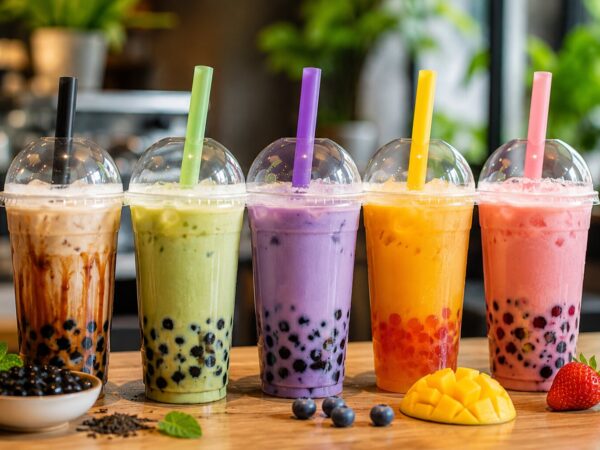
Polyethylene Terephthalate (PET) is one of the most widely used plastics in food packaging, identified by the PET (1) recycling symbol. This material is primarily used for bottles, containers, and disposable cups because it combines lightness, durability, and crystal-clear transparency.
Advantages of PET Plastic:
- High transparency and attractive visual appearance.
- Airtightness and moisture resistance.
- Lightweight and impact-resistant.
- Resistant to fats and acids.
- Highly suitable for plastic recycling.
Disadvantages:
- Not recommended for hot beverages or foods (may deform under high temperatures).
- Not intended for long-term repeated use as the material may lose its structural integrity.
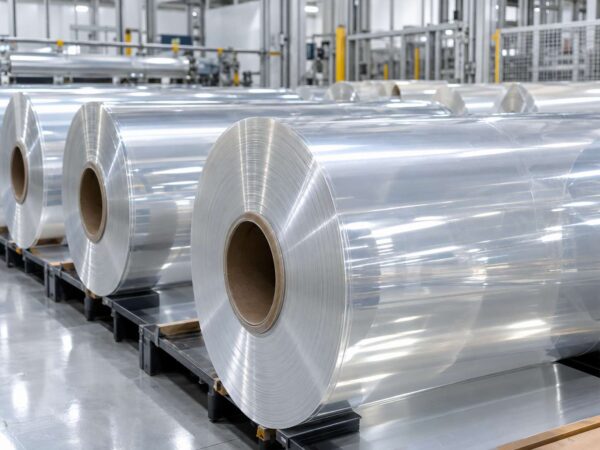
From a safety perspective, PET is considered completely safe for single-use contact with food and cold liquids. This plastic is a key player in the recycling system, being processed into new packaging, synthetic fibers, and films. As the demand for packaging solutions in Ukraine remains high, many manufacturers—striving to ensure continuous production of high-quality, aesthetic containers—regularly purchase wholesale PET film. Thanks to its combination of aesthetics, reliability, and recyclability, PET remains one of the most sought-after materials for disposable food packaging.
Polypropylene (PP)
Food-grade polypropylene (PP) is a versatile material characterized by its strength and high-temperature resistance. It is identified by the PP (5) recycling symbol. Due to its heat resistance and safety, it is widely used for containers, lids, food films, and packaging designed for microwave heating.
Advantages:
- Withstands temperatures up to +120°C without deforming.
- Safe for contact with hot dishes.
- Resistant to fats, moisture, and mechanical damage.
- Lightweight and flexible; suitable for multi-use applications.
Beyond its practicality, food-grade polypropylene is considered one of the most eco-friendly plastics. It is fully recyclable, and modern technologies allow it to be repurposed into new containers, lids, and even textiles. Thanks to its combination of heat resistance and durability, PP plastic remains the optimal choice for food packaging and tableware.
Low-Density Polyethylene (LDPE)
LDPE (Low-Density Polyethylene) is a flexible, lightweight, and transparent material used for food packaging, identified by the LDPE (4) symbol. It is noted for its moisture resistance and durability despite its thinness.
Common applications for LDPE include:
- Grocery and produce bags.
- Wraps and heat-shrink films.
- Packaging films for bread, vegetables, fruits, frozen foods, and dairy products.
This material preserves product freshness and appearance, does not absorb odors, and does not react with food. LDPE is prized for its flexibility and safety in food contact. Its resistance to moisture, grease, and cold makes it ideal for storage and transportation. Additionally, this plastic is recyclable, making it an environmentally justifiable choice for manufacturers.
Polyvinyl Chloride (PVC)
Polyvinyl Chloride (PVC) is a popular material for food packaging known for its clarity and strength, identified by the PVC (3) symbol. It is most commonly used for food-grade cling film and packaging for meat, sausages, cheeses, and confectionery.
PVC film stretches well and adheres hermetically to the product, protecting it from moisture and contamination while maintaining an attractive shelf appearance. However, PVC has limitations: it can release harmful substances when exposed to high heat, so it is not used for hot foods. Furthermore, its recycling process is more complex than that of PET or PP, which reduces its environmental rating.
Today, PVC is increasingly being replaced by polystyrene food containers, as well as PET and PLA packaging—solutions that are safer, more temperature-resistant, and easier to recycle.
Polystyrene (PS)
Food-grade polystyrene (PS) is a lightweight and inexpensive material widely used for disposable tableware, cups, and containers, identified by the PS (6) symbol. Due to its thermal insulation properties, it retains the temperature of food and drinks well, making it convenient for fast food and delivery.
PS is durable, moisture-resistant, and does not absorb odors. It is most frequently used for:
- Fast-food containers (clamshells).
- Takeout coffee cups and lids.
However, when exposed to high temperatures, food-grade polystyrene can release styrene—a substance that may pose health risks. Therefore, this packaging is not recommended for microwave use or very hot dishes.
Currently, sheet polystyrene is being gradually replaced by safer materials such as polypropylene (PP) and PLA plastic, which withstand heating and are easily recycled. While PS remains in demand due to its affordability and lightness, modern trends are shifting toward these eco-friendly alternatives.
Other Types of Plastics Used in Packaging
In addition to the popular PET, PP, and PS, the food industry actively utilizes other safe materials such as food-grade HDPE and food-grade PLA. These materials serve different purposes and reflect current trends in packaging solutions.
HDPE — High-Density Polyethylene Food-grade HDPE (Recycling Symbol 2) is characterized by high rigidity, strength, and temperature resistance. It is used to manufacture milk bottles, caps, containers, and packaging for oils and grains. The material does not absorb odors, is safe for long-term food storage, and is highly recyclable, making it a reliable solution for the food industry.
PLA — Next-Generation Biodegradable Plastic Food-grade PLA plastic is made from plant-based raw materials (such as corn starch) and is considered an eco-friendly alternative to traditional polymers. It is used for disposable tableware, cups, lids, and salad packaging. The main advantage is its complete biodegradability under proper disposal conditions. This material is becoming a vital part of the global trend toward sustainable production and eco-friendly food packaging.
How to Choose Safe Food Packaging?
When selecting food packaging, it is crucial to consider the material, labeling, and intended use. Safe containers must be certified, free of harmful emissions, and appropriate for the product type:
- PET is suitable for cold drinks and salads.
- PP is ideal for hot dishes and microwave reheating.
- HDPE is best for milk and grains.
- PLA serves as a sustainable alternative for various applications.
Pay close attention to the density and airtightness of the packaging, as these factors protect products from moisture, air, and contamination. For businesses, high-quality containers are essential for preserving the taste and appearance of dishes during delivery.
Modern companies are increasingly focusing on eco-friendly packaging—choosing recyclable or biodegradable materials. This not only reduces environmental impact but also builds trust with consumers who prioritize ecologically responsible brands.
Conclusion
Every type of plastic used in food packaging has its strengths and weaknesses. Some materials stand out for their heat resistance and durability, while others are valued for their lightness and transparency. The key is to choose packaging consciously, considering the specific characteristics of the product, storage conditions, and disposal methods.
Current trends show that more companies are switching to sustainable solutions. Packaging safety and environmental impact have become top priorities for both businesses and consumers.
Optipak is a Ukrainian manufacturer of PET containers and disposable plastic packaging. We create products that combine quality, safety, and convenience. By choosing packaging from Optipak, you support local manufacturing and make a choice in favor of an environmentally responsible business.
-
 How to Choose PET Film for Thermoforming: Characteristics and Application FeaturesMore details
PET film for thermoforming is selected according to the specific product, mold, and production line...
-
Bubble Tea and What It’s All About: A Guide to the Main Summer Trend for Ukrainian Coffee ShopsMore details
With the arrival of warm weather, the streets of Ukrainian cities fill with people again:...
-
From Restaurant Presentation to Picnic: Ukrainian Food Court Trends and the Role of Quality PackagingMore details
The modern HoReCa market in Ukraine is actively changing along with consumer habits. With the...
-
The future of disposable tableware: eco-friendly materials and sustainable solutionsMore details
The modern packaging market is rapidly changing under the influence of global environmental challenges and...
-
Why transparent PET cups are a must-have for your coffee shop this spring?More details
With the first warm days, not only people’s wardrobes change, but also their taste preferences....