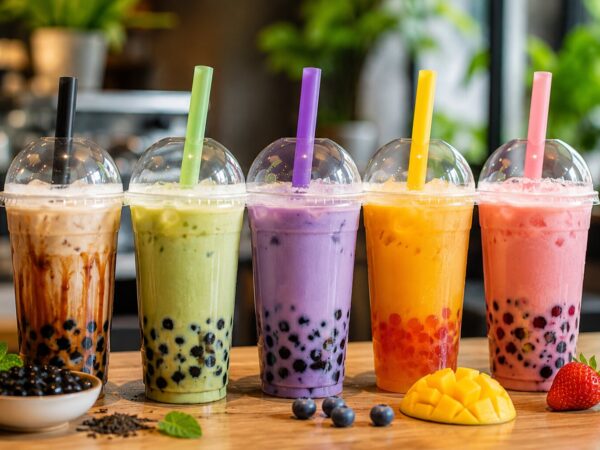
Plastic cups are a practical choice for cafes, offices, and households alike. They are lightweight, space-efficient, easy to transport, and designed to maintain their shape without burning your hands. Available in various volumes and colors, they offer a touch of individuality to any brand. Modern disposable cups are made from safe, often biodegradable materials, making them harmless to both consumers and the environment.
Types of Plastic Cups
The market offers a wide range of disposable containers tailored to specific business needs:
- Water Cooler Cups: The most common type, used in offices, clinics, and schools. Typically 200 ml in volume.
- Vending Machine Cups: Specially sized and shaped to fit automated coffee and tea dispensers.
- Beer Cups: Larger, sturdy cups designed for cold beverages and high-volume events.
- Insulated Foam Cups: Universal cups that provide excellent temperature retention for both hot and cold drinks.
For cooler cups, the wall density is a key factor; thicker walls provide more durability and resistance to deformation, which is essential for a premium feel in professional settings.
Key Features of Plastic Cups
Most high-quality disposable cups for offices and beauty studios are made from Polypropylene (PP). This material is reliable for daily use and does not release toxins. Unlike glass or ceramic, plastic cups are incredibly lightweight and compact—they can be stacked in tall “pyramids” without the risk of cracking or breaking.
Another major advantage is the low cost, especially when purchasing wholesale. For businesses that value both their employees’ comfort and their budget, buying in bulk is the most efficient strategy. Today, you can customize these cups with specific colors, engravings, or even unique shapes to match your brand identity. Many establishments also pair them with plastic lids, which is currently a top trend for convenience and safety.
Plastic Cups for Coffee and Tea
In the “coffee-to-go” and vending sectors, cups must meet specific requirements. Vending cups often feature a classic brown exterior and white interior. They may come with handles (resembling a small mug) or textured surfaces (ribbed) for a better grip.
Their primary feature is low thermal conductivity—no matter how hot the tea or coffee is, the cup remains comfortable to hold.
- Materials: Hot drink cups are usually made from Polystyrene (PS) or PLA (a biodegradable bioplastic). These materials offer a premium glossy look while being sturdy and reliable.
- Safety Note: It is highly recommended not to use standard plastic coffee/tea cups for alcoholic beverages, as the high alcohol content can cause an undesirable chemical reaction with certain types of plastic.
How to Choose the Right Plastic Cups
When selecting the ideal cup for your business, consider these “three pillars”:
- Purpose: Match the cup to the drink. Juices, beer, water, and hot coffee each require specific markings, densities, and volumes.
- Usage Scenario: Will the drink be consumed on-site or taken to go? For both, a memorable design—such as motivational quotes, logos, or creative illustrations—helps your brand stand out.
- Material: Look for PS or PLA if you need biodegradable options with high performance and a professional finish.
Always check the marking, weight, thermal resistance, and overall structural strength of the product before committing to a large order.
Summary of Benefits:
- Compact & Portable: Perfect for the modern “on-the-go” lifestyle.
- Hygienic: Ensures the user is the first and only person to use the vessel.
- Cost-Effective: One of the most affordable ways to serve beverages at scale.
-
 Dome-Lid Cups for Summer Drinks: How to Choose the Ideal Packaging for a Coffee Shop or Fast-Food BusinessMore details
The summer season is the peak period for selling refreshing cocktails, iced coffee, smoothies, and...
-
Bubble Tea and What It’s All About: A Guide to the Main Summer Trend for Ukrainian Coffee ShopsMore details
With the arrival of warm weather, the streets of Ukrainian cities fill with people again:...
-
Coffee Shop Equipment List: 12 Essential Items for a Successful StartMore details
Launching your own coffee shop in 2026 requires not just a passion for coffee, but...
-
How to Choose Packaging for Food Delivery: A Complete Guide for Restaurant and Cafe OwnersMore details
In 2026, the restaurant business has finally transformed: delivery has grown from an additional service...
-
The future of disposable tableware: eco-friendly materials and sustainable solutionsMore details
The modern packaging market is rapidly changing under the influence of global environmental challenges and...