- Why Plastic Selection is Critical for Dairy Packaging?
- Essential Requirements for Dairy-Grade Plastics
- PET (Polyethylene Terephthalate) in Dairy Packaging
- Polyethylene (HDPE and LDPE) for Milk Packaging
- Polypropylene (PP) and Its Role in Dairy Packaging
- Polystyrene and Alternative Plastics
- Multi-layer and Barrier Plastics
- How Product Type Influences Plastic Selection
- Environmental Aspects of Plastic Use
- Common Mistakes in Selecting Dairy Packaging
- Conclusion

The modern food industry imposes strict requirements on materials that come into contact with food. This is especially true for plastic used in dairy packaging, as dairy products are highly sensitive to the environment and perish quickly. Choosing the right material ensures not only product preservation but also consumer safety. Today, food-grade plastic for dairy products plays a key role in the logistics, storage, and sale of dairy goods.
Why Plastic Selection is Critical for Dairy Packaging?
Dairy packaging must protect its contents from light, oxygen, bacteria, moisture, and mechanical damage. Plastic packaging for milk must maintain product freshness throughout its entire shelf life. The wrong choice of packaging material can lead to fat oxidation, spoilage, taste degradation, and even contamination.
Essential Requirements for Dairy-Grade Plastics
Key requirements include airtightness, zero migration of harmful substances, UV resistance, and the ability to preserve the product’s flavor and aroma. Food-grade plastic must comply with sanitary standards, be easy to mold, and be suitable for recycling.
Core properties the material must provide:
- Barrier protection against oxygen and moisture;
- Resistance to mechanical damage;
- Inertness (no interaction with the product);
- Thermal stability during transportation and storage.
PET (Polyethylene Terephthalate) in Dairy Packaging
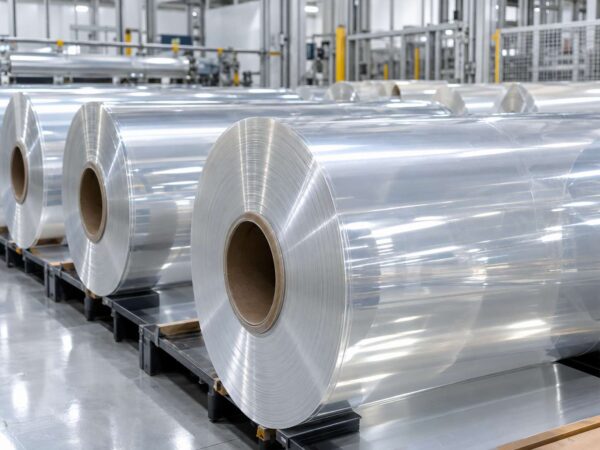
PET milk packaging is widely used for bottles and containers. This plastic is valued for its transparency, strength, and solid barrier properties. PET film is also utilized for lamination and sealing. It is ideal for pasteurized milk and refrigerated beverages.
Our production facility, Optipak, offers reliable PET solutions for dairy manufacturers. Our range includes films and packaging components that meet all sanitary standards and food industry requirements.
Polyethylene (HDPE and LDPE) for Milk Packaging
Polyethylene packaging for milk comes in two main types: HDPE (High-Density Polyethylene) and LDPE (Low-Density Polyethylene). HDPE is used for bags and soft containers; it is moisture-resistant and cost-effective but requires additional protection against light and oxygen. LDPE offers better elasticity and transparency but lower strength.
Polypropylene (PP) and Its Role in Dairy Packaging
Polypropylene yogurt packaging is one of the most common options on the market. Containers and cups made of PP plastic provide rigidity, airtightness, and excellent thermal resistance. Polypropylene tape is often used for automated filling and sealing. PP is suitable for both liquid and thick dairy products.
Polystyrene and Alternative Plastics
Polystyrene (PS) is primarily used for disposable cups and lids. It is lightweight and inexpensive but has lower strength and weaker barrier properties. While PS containers are easy to mold and transport, polystyrene film (used in multi-layer structures) is gradually being replaced by more sustainable materials due to environmental concerns.
Multi-layer and Barrier Plastics
Multi-layer dairy packaging combines the properties of different materials to provide optimal protection against the environment. These structures often include layers of EVOH, aluminum foil, or PET. Barrier plastic packaging slows down the penetration of oxygen, water vapor, and UV radiation, extending the shelf life of dairy products without the use of preservatives.
How Product Type Influences Plastic Selection
Each type of product requires specific packaging, whether for milk, yogurt, or kefir. Liquid products are most commonly packaged in PET or HDPE bottles, while thicker products are typically filled into polypropylene (PP) cups. Fermented dairy products demand exceptionally airtight packaging, often featuring high-barrier protection.
Examples of packaging selection by product type:
- Pasteurized Milk: PET bottles or HDPE pouches.
- Drinking Yogurts: Polypropylene (PP) bottles.
- Sour Cream and Kefir: Multi-layer cups with a barrier membrane.
- Cottage Cheese: Combined plastic containers with lids.
Environmental Aspects of Plastic Use
The modern market demands eco-friendly packaging that is fully recyclable. Many manufacturers are transitioning to recyclable plastics, reducing packaging thickness, and incorporating biodegradable additives. There is also growing interest in alternative materials like PLA (Polylactic Acid), though they do not yet provide the same barrier properties as traditional plastics.
Common Mistakes in Selecting Dairy Packaging
Frequent errors include using materials with insufficient light protection, choosing packaging that doesn’t suit storage conditions, or opting for cheap but fragile plastics.
Common manufacturer mistakes:
- Ignoring storage temperature requirements.
- Choosing opaque plastics for products that rely on visual display.
- Mismatching packaging strength with the weight or volume of the product.
- Using materials that are not recyclable.
The choice of plastic for dairy products must be based on an analysis of the entire logistics and production cycle, rather than raw material costs alone.
Conclusion
Selecting materials for dairy packaging is not merely a technical issue—it is a strategic decision that affects the entire production process. The quality and characteristics of food-grade dairy plastic determine not only shelf life but also brand image. Utilizing modern, safe, and recyclable materials is becoming the definitive standard in the dairy industry.
-
 How to Choose PET Film for Thermoforming: Characteristics and Application FeaturesMore details
PET film for thermoforming is selected according to the specific product, mold, and production line...
-
Bubble Tea and What It’s All About: A Guide to the Main Summer Trend for Ukrainian Coffee ShopsMore details
With the arrival of warm weather, the streets of Ukrainian cities fill with people again:...
-
From Restaurant Presentation to Picnic: Ukrainian Food Court Trends and the Role of Quality PackagingMore details
The modern HoReCa market in Ukraine is actively changing along with consumer habits. With the...
-
The future of disposable tableware: eco-friendly materials and sustainable solutionsMore details
The modern packaging market is rapidly changing under the influence of global environmental challenges and...
-
Why transparent PET cups are a must-have for your coffee shop this spring?More details
With the first warm days, not only people’s wardrobes change, but also their taste preferences....