Disposable containers for cafes and restaurants: what to choose for food delivery

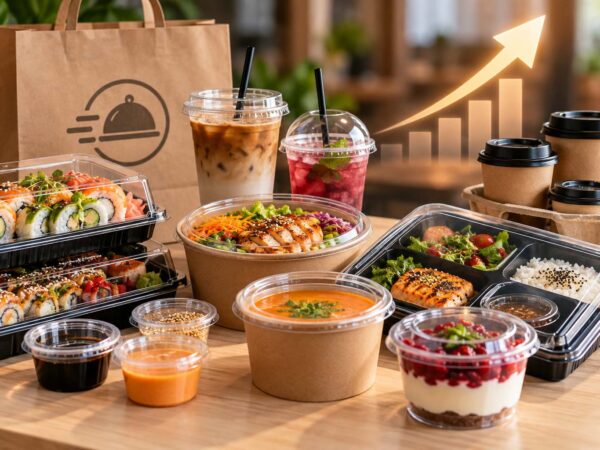
The modern food delivery and fast food market is developing rapidly, and disposable containers play a key role in this process. The right choice of food delivery packaging determines not only the preservation of the dish but also the customer’s impression of your establishment.
Reliable packaging helps maintain flavor and temperature, prevents leaks, and ensures hygiene. For restaurants and cafes, this is a guarantee that the order will reach the customer in perfect condition. For the buyer, it means comfort, safety, and confidence in the quality of service.
Modern customers are becoming increasingly demanding: they value not only the food but also the convenience of receiving it. Therefore, well-thought-out fast food packaging is no longer just a container—it is a part of your corporate identity and a competitive advantage for your business.
Why Do Restaurants Need High-Quality Disposable Containers?
High-quality disposable containers are a vital part of successful delivery. They maintain the temperature of dishes, prevent spills, and protect food from contamination. Airtight packaging holds the heat of hot meals and the freshness of salads, allowing the customer to receive their order in ideal condition.
Beyond practicality, packaging affects the establishment’s image. Neat and reliable packaging creates a positive impression, while low-quality containers can ruin even the most delicious dish.
Key advantages of high-quality disposable containers:
- Maintaining food temperature during transportation.
- Protection against leaks and contamination.
- Customer convenience while eating.
- Neat appearance of the order.
- Positive impact on the establishment’s reputation and reviews.
This is why quality disposableware is not just packaging, but a service element that helps retain customers and increases trust in your brand.
Types of Food Delivery Packaging
The modern foodservice industry offers a multitude of solutions for food delivery containers. Each type of packaging has its own features, advantages, and applications. Some are better suited for hot dishes and soups, while others are ideal for salads, desserts, or drinks. Choosing the right material allows you to preserve the taste and freshness of the product while highlighting your professionalism.
Plastic Packaging
Plastic packaging remains one of the most popular options for food delivery. Its main advantage is versatility. Such containers are suitable for both hot and cold food, do not lose their shape, and provide reliable airtightness.
Key Materials: Food delivery containers are made from various types of food-grade plastic. The most common include Polypropylene (PP), which is suitable for hot dishes due to its high thermal resistance, as well as Polyethylene Terephthalate (PET) and Polystyrene (PS), often used for cold snacks, salads, and confectionery. For manufacturers focused on producing transparent and rigid containers, it is essential to purchase sheet polystyrene for thermoforming trays, as well as wholesale PET film for the production of cored trays and blister packaging.
Pros of Plastic Packaging:
- Strength and resistance to mechanical damage.
- Airtightness and protection against leaks.
- Retention of food temperature and freshness.
- Availability of transparent containers so the customer can see the dish.
- Wide selection of shapes and sizes—from mini-boxes to multi-compartment containers.
- Affordable cost.
Cons:
- Not all plastic containers are microwave-safe (e.g., polystyrene).
- Risk of leakage or unpleasant odors if manufacturing standards are not met (which is why choosing a certified manufacturer is crucial).
Plastic is ideal for takeout food, hot dishes, side orders, meat and fish positions, salads, and desserts. It is also widely used in fast food and catering, where fast service and reliable transportation are paramount. Modern plastic containers from Optipak are produced from safe, food-grade materials that do not affect taste or aroma. Hermetic lids and thick walls guarantee the preservation of the dish at any temperature.
Paper and Cardboard Containers
Modern paper food packaging has become an integral part of the fast food and delivery industry. Boxes, containers, and cups made of thick cardboard look neat and emphasize care for the customer. This type of container is especially popular among establishments that strive to follow the “eco-friendly” trend and choose sustainable solutions.
Paper packaging is well-suited for burgers, desserts, noodles, beverages, and takeout meals. It is lightweight, convenient, and can be further laminated for protection against moisture and grease. Furthermore, paper containers are easy to brand—logos or corporate designs can be placed on them, increasing the establishment’s brand recognition.
Eco-friendliness, a modern appearance, and comfort in use make paper packaging one of the most in-demand solutions for restaurants and cafes that care about their image.
Biodegradable and Eco-Friendly Packaging
Modern biodegradable packaging is created from safe natural materials—corn starch (PLA), sugarcane fiber, and plant-based polymers. Such containers decompose completely without harming the environment, while maintaining strength and resistance to high temperatures.
It is particularly convenient for health food, vegetarian, and Asian cuisine, as well as for catering and takeout where an eco-friendly approach is vital. Using biodegradable packaging helps establishments look modern, care for their customers, and demonstrate environmental responsibility.
Packaging for Beverages and Soups
For hot and liquid dishes, reliable packaging for soups and beverages is especially important to ensure complete airtightness and convenience during transport. This category includes paper and plastic cups with lids, as well as durable soup containers with heat-resistant walls.
Such containers prevent leaks and preserve the temperature and aroma of the dishes, allowing customers to enjoy freshly prepared food even far from the restaurant. Hermetic lids protect against spills, and the dense structure of the material makes delivery safe and neat.
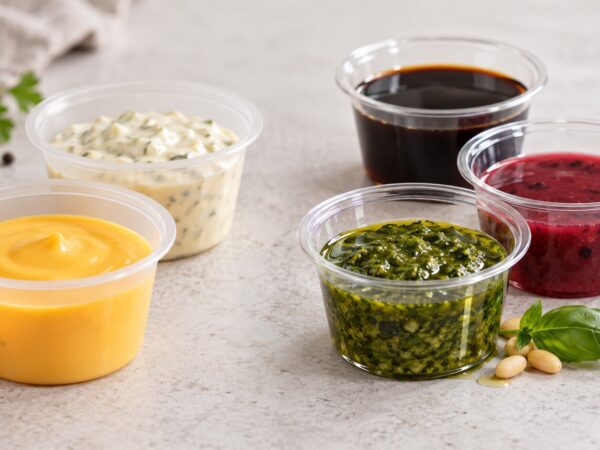
Optipak offers a wide selection of solutions for beverages, cream soups, and hot sauces—everything you need to ensure your orders reach the customer in perfect condition.
How to Choose the Right Food Delivery Packaging
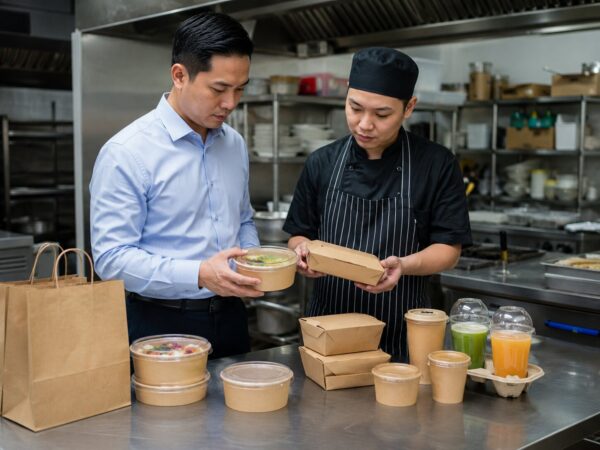
Choosing the right packaging for food delivery is a balance between practicality, safety, and cost. To ensure the customer receives their order in perfect condition, several key parameters must be considered.
First and foremost, pay attention to the durability and airtightness of the container. It must withstand the weight of the dish, resist deformation during transport, and close securely. A hermetic lid will prevent sauces from leaking and help maintain the proper temperature.
The second criterion is size and shape. Transparent plastic containers are ideal for salads, while durable cardboard boxes are best for pizza. Hot dishes require heat-resistant trays with lids, and desserts are best served in mini-containers or cups. Each type of dish requires specific packaging to remain fresh and look appetizing.
Finally, consider cost and practicality. Plastic packaging is generally more affordable and versatile, paper is more eco-friendly and premium in appearance, and biodegradable options represent a modern solution for environmentally-focused brands.
Trends in Disposable Containers for Restaurants
The modern market is evolving rapidly, and disposable restaurant containers are becoming a communication tool rather than just a delivery method. The leading trend of recent years is sustainability. More establishments are switching to biodegradable and recyclable materials, demonstrating environmental concern and building audience trust.
The second trend is custom packaging branding. Restaurants are actively utilizing the opportunity to apply logos, corporate colors, and slogans to containers, cups, and bags. This transforms a regular delivery into a full-scale marketing tool and helps businesses stand out from the competition.
The third trend involves “to-go” formats and subscription-based delivery. As more people order food to go or receive regular meal kits at home, packaging must be convenient, durable, and aesthetic. Compact containers, resilient materials, and modern designs make these solutions highly sought after in both the fast food and premium segments.
Conclusion
The choice of packaging directly impacts delivery quality and brand perception. For fast-food outlets, cafes, and catering services, plastic packaging remains the optimal choice due to its strength, airtightness, and versatility. It reliably protects dishes from leaks, preserves temperature, and is suitable for both hot and cold products.
As a manufacturer of plastic packaging, Optipak is a reliable partner for restaurants, cafes, and delivery services. We offer a wide range of modern plastic food containers designed for convenience, leak protection, and neat presentation. Our packaging helps maintain food freshness and temperature, enhancing customer comfort and improving the overall service experience. With Optipak solutions, your business always looks professional and modern.
-
 Packaging as a Driver of Average Order Value: 5 High-Margin Strategies for Food Delivery Services and Coffee ShopsMore details
Packaging affects more than just the condition of an order. It determines portion formats, helps...
-
Sauce Cups and Mini Containers (10–50 ml): Closure Options, Materials, and Leak Resistance During TransportationMore details
In food delivery, every packaging detail matters. Food containers will not save an order if...
-
How Packaging Affects Ratings on Glovo and Bolt Food: A Guide for Restaurants and Coffee ShopsMore details
Delivery customers evaluate not only the taste but also the condition of the order when...
-
Dome-Lid Cups for Summer Drinks: How to Choose the Ideal Packaging for a Coffee Shop or Fast-Food BusinessMore details
The summer season is the peak period for selling refreshing cocktails, iced coffee, smoothies, and...
-
How a Coffee Shop Can Reduce Packaging Costs: Purchasing Directly from the ManufacturerMore details
Every coffee business owner knows that the profitability of an establishment depends on many small...