The first paper plates appeared in the late 19th century. In 1908, Dr. Samuel J. Crumbine, a physician from Kansas, campaigned to end the use of shared reusable utensils in public dining halls, which he believed contributed to the spread of disease. Entrepreneurs Lawrence Luellen and Hugh Moore used Dr. Crumbine’s initiative to promote their invention: lightweight disposable paper cups, which at the time were still cone-shaped.
As time passed, the popularity of this invention grew, taking on new forms and materials. Today, the range of disposable tableware is staggering. From the materials used in production to their specific applications, let’s explore what modern disposable packaging is made of.
Who Needs Disposable Tableware and Why?
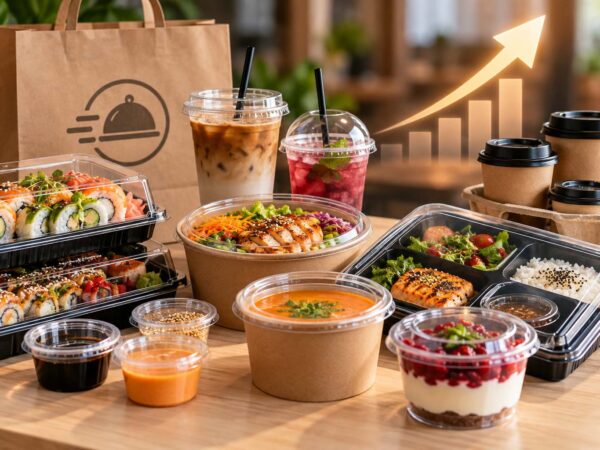
Due to its convenience, disposable packaging is used almost everywhere. It is highly functional: lightweight, durable, and protective against external factors. Its airtight properties extend the shelf life of food products, keeping them fresh for longer.
Another advantage is aesthetics. Polymers can be molded into any shape and color—transparent, vibrant, or covered in custom prints. For these reasons, disposable packaging is the top choice for:
- Coffee shops and “to-go” outlets: Providing mobility for busy commuters.
- Fast-food chains: Serving the booming takeaway market.
- Outdoor events: Ideal for picnics and forests where carrying heavy glass or metal is impractical.
For business owners, the primary benefit is cost-efficiency. Using disposables eliminates the need for dishwashing staff and chemical detergents, saving both time and money.
Modern Materials in Disposable Tableware
Manufacturers must adhere to strict safety standards. Packaging intended for food contact must be free of toxic chemicals and hazardous materials.
- Expanded Polystyrene (EPS): Primarily used for hot foods like soups. It is more durable than paper and offers excellent heat retention. Its rigidity makes it ideal for secure takeaway containers.
- Polypropylene (PP): Widely considered the best plastic option for heat resistance. It can withstand temperatures up to 135 °C, meaning a cup of hot coffee remains comfortable to hold. PP is microwave-safe, dishwasher-safe, and resistant to chemicals, oils, and fats. It is also suitable for freezing food.
- Melamine: A hard, lightweight thermoset plastic used for elegant salad bowls, trays, and platters. While durable and crack-resistant, it is typically designed for serving cold appetizers and drinks.
- PVC (Polyvinyl Chloride): Known as one of the most hazardous plastics, it is difficult to recycle. For this reason, its use in food service is strictly limited, and it is more commonly found in construction materials like pipes and window frames.
The Rise of Eco-Friendly Paper and Cardboard
Paper is the second most popular material, gaining ground due to its total safety for both humans and the environment.
- Thermal Properties: Paper retains heat better than plastic while remaining cooler to the touch.
- Lamination: Modern treatments ensure that paper cups and plates do not leak or soak through.
- Microwave Compatibility: Paper does not melt or release harmful substances when heated in an oven or microwave.
- Sustainability: It is a renewable resource, fully recyclable and biodegradable.
Innovative and Eco-Friendly Materials
The industry is moving toward “green” solutions, utilizing natural resources such as wood, corn starch, and various craft materials. Bio-based packaging is the future of a healthy nation and a clean planet.
At Optipak, we stay ahead of industry trends by prioritizing environmental responsibility. We utilize technologies that conserve natural resources, producing packaging from recycled materials and biodegradable plastics.
By analyzing the needs of the catering industry, we develop effective new concepts in packaging design. We offer competitive pricing, delivery across Ukraine, and the ability to create custom molds, sizes, and volumes tailored to your specific business vision.
-
 Packaging as a Driver of Average Order Value: 5 High-Margin Strategies for Food Delivery Services and Coffee ShopsMore details
Packaging affects more than just the condition of an order. It determines portion formats, helps...
-
Sauce Cups and Mini Containers (10–50 ml): Closure Options, Materials, and Leak Resistance During TransportationMore details
In food delivery, every packaging detail matters. Food containers will not save an order if...
-
How Packaging Affects Ratings on Glovo and Bolt Food: A Guide for Restaurants and Coffee ShopsMore details
Delivery customers evaluate not only the taste but also the condition of the order when...
-
Dome-Lid Cups for Summer Drinks: How to Choose the Ideal Packaging for a Coffee Shop or Fast-Food BusinessMore details
The summer season is the peak period for selling refreshing cocktails, iced coffee, smoothies, and...
-
How to Start a Home Bakery and Sell Desserts Through InstagramMore details
Turning a passion for baking into a stable source of income is a dream for...