The first patent for plastic tableware was granted in 1910, but mass production truly began in the 1950s, spearheaded by American entrepreneur William Dart. Fast-food chains were his primary clients, as disposable containers became a crucial tool in preventing the spread of infectious diseases.
The Benefits of Paper Tableware
Paper disposables are globally popular due to several key advantages:
- Eco-Friendliness: Cardboard is easily recyclable and decomposes quickly in soil.
- Safety: It does not release harmful substances when in contact with hot or cold food and liquids.
- Hygiene: Designed strictly for single use, ensuring maximum cleanliness.
- Practicality: Space-saving, shatterproof, and low thermal conductivity (doesn’t burn hands).
- Efficiency: Eliminates the need for dishwashing, reducing costs for labor, water, and detergents.
Natural Materials: The New Frontier
The environmental movement has sparked a “new look” at disposables. Future-oriented alternatives include:
- Avocado pits: Non-toxic even if reused; biodegradable over time.
- Starch: Ideal for lunch boxes; maintains food nutrients and withstands various temperatures.
- Orange peels: Fragrant and easy to process.
- Carrot peels and peanut shells: Contain no harmful additives; can be dissolved in water and added to soil.
- Others: Coffee grounds, apple puree cups, and edible dough spoons.
Why Plastic Remains the Market Leader
Despite the rise of paper, plastic remains the most common material due to its unmatched versatility:
- Durability & Elasticity: Resilient and available in numerous shapes and volumes.
- Aesthetics: High clarity or vibrant colors with custom prints and logos.
- Thermal Stability: Does not deform or melt under high heat and emits no unpleasant odors.
- Thermostatic Properties: Allows users to hold hot drinks comfortably.
- Cost-Effectiveness: Simple to manufacture and dispose of.
- Safety: When used according to the markings (e.g., PP or PS), it is completely safe for food contact.
Modern Solutions by Optipak
We offer a comprehensive range of products made from Polystyrene (PS) or PLA (biodegradable bioplastic):
- Plastic Cups: Various volumes for all beverage types.
- Lids: Classic and multi-colored, available in standard and dome shapes.
- Berry Punnets (0.5kg & 1kg): Ideal for transporting and displaying fruits.
- Sealable Sauce Cups (50ml): Foil-sealable, perfect for delivery.
- Thermoforming Film: The high-quality foundation for plastic manufacturing.
- Egg Trays: Reliable retail packaging for supermarkets.
Creative Repurposing
While plastic should never be reused for food, it is a fantastic material for DIY projects and education:
- Children’s crafts: Handbags, hats, and holiday costumes.
- Garden decor: Creative elements for flower beds.
- Interior design: Unique lamps, vases, and wall art.
Plastic and Health: Safety First
To ensure health safety, always follow the manufacturer’s markings. Different plastics have specific properties: some are for cold drinks only, others for hot. Experts warn against reusing single-use items or using long-term containers for too long. Reheating the wrong type of plastic can compromise the material’s surface and release carcinogens.
Conclusion
Disposable tableware has firmly established its place in modern life, surpassing ceramics in cafes, fast-food outlets, and “to-go” services. Today’s market is more diverse than ever, with manufacturers like Optipak focusing on high-quality, eco-friendly materials that are safe for both people and the planet.
-
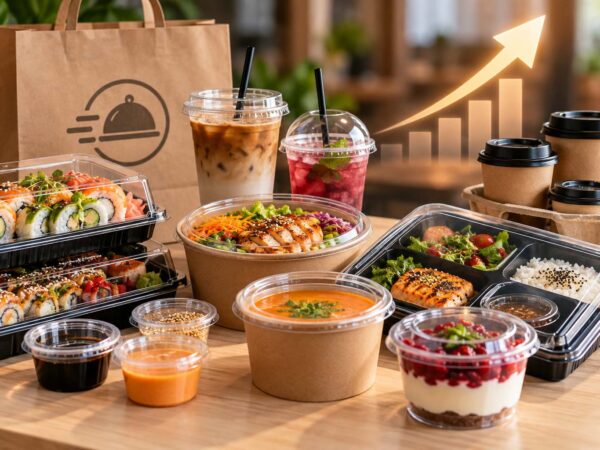
 Packaging as a Driver of Average Order Value: 5 High-Margin Strategies for Food Delivery Services and Coffee ShopsMore details
Packaging affects more than just the condition of an order. It determines portion formats, helps...
-
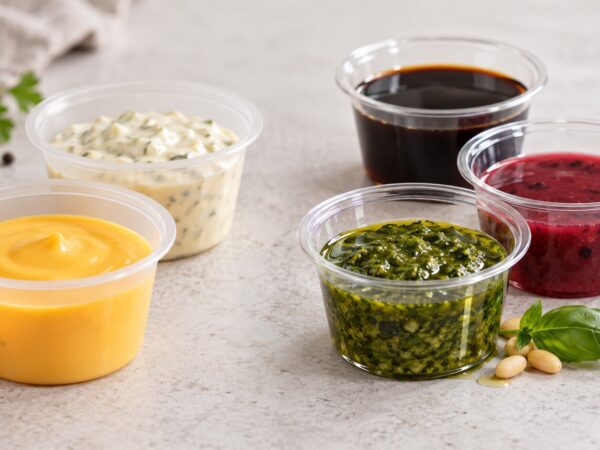
Sauce Cups and Mini Containers (10–50 ml): Closure Options, Materials, and Leak Resistance During TransportationMore details
In food delivery, every packaging detail matters. Food containers will not save an order if...
-
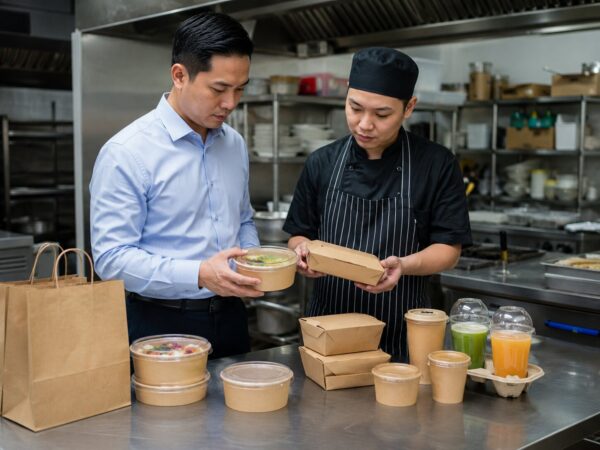
How Packaging Affects Ratings on Glovo and Bolt Food: A Guide for Restaurants and Coffee ShopsMore details
Delivery customers evaluate not only the taste but also the condition of the order when...
-
Dome-Lid Cups for Summer Drinks: How to Choose the Ideal Packaging for a Coffee Shop or Fast-Food BusinessMore details
The summer season is the peak period for selling refreshing cocktails, iced coffee, smoothies, and...
-
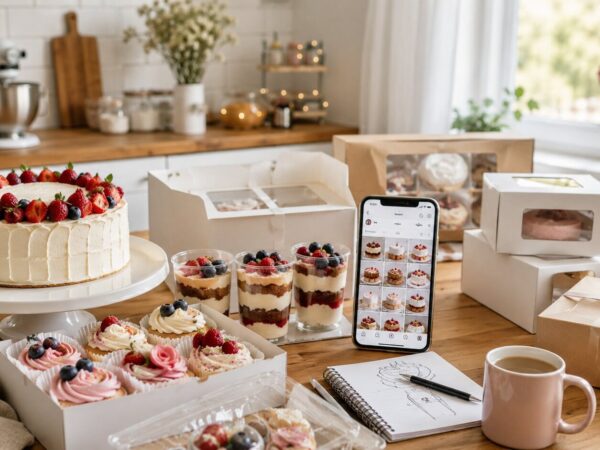
How to Start a Home Bakery and Sell Desserts Through InstagramMore details
Turning a passion for baking into a stable source of income is a dream for...