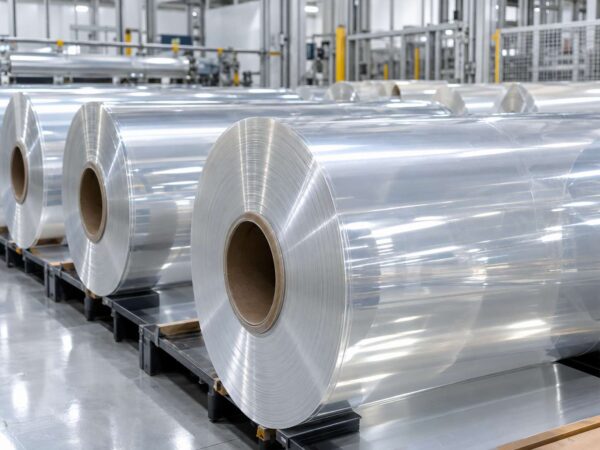
Polypropylene film is widely used today across various sectors, most commonly as a packaging material. BOPP film (Biaxially Oriented Polypropylene) is the most prevalent type; its glossy finish and high clarity make it ideal for gift or flower wrapping, where aesthetics are paramount.
What is Polypropylene?
Polypropylene is a popular synthetic thermoplastic polymer. It is produced through the polymerization of propylene using catalysts—most commonly Ziegler-Natta, though metallocene catalysts are also used. This process requires specific conditions:
- Pressure: 10 atm
- Temperature: At least 80 °C
The polymerization process involves the synthesis of low-molecular-weight substances, where molecules attach to an active center at the end of the chain, resulting in a solid substance. This material crystallizes exceptionally well and is typically produced in granule (pellet) form, which serves as the foundation for durable materials like BOPP films.
Features of Polypropylene Film Production
Manufacturing polypropylene film requires specialized, high-quality equipment and strict adherence to component quality and process continuity. The primary method is extrusion.
- Granulation: Solid polypropylene is melted, pressed, and passed through round die holes to create granules.
- Extrusion: These granules are fed into an extruder, where high temperatures turn them into a homogeneous, transparent, and viscous mass.
- Formation: The substance is pushed through special openings to form a tube (bubble) or flat sheet.
- Cooling and Stretching: Compressed air or rollers are used to stretch the material to the desired thickness. It is then cooled to set its shape.
- Finishing: If printing is required, the film undergoes corona treatment to ensure better adhesion for flexographic inks.
Types of Oriented Polypropylene Films (BOPP)
Oriented films are characterized by the molecular orientation in two directions (biaxial). Key types include:
- General Purpose: The most versatile and common type.
- Heat-Sealable: Consists of three layers (a core and two sealable layers). It features anti-glare properties and is used for food packaging.
- Pearlized: Popular for packaging fatty foods or items prone to melting (like chocolate). It reflects UV rays and helps maintain temperature.
- Metallized: Contains an aluminum layer for enhanced barrier properties.
- Shrink Film: Capable of shrinking at various temperatures.
- PE-Laminated: Essential for packaging heavy or oily products.
- Opaque Co-extruded: Ideal for non-food items.
BOPP films are leaders in the market due to their flexibility, barrier properties, and thermal stability. They are resistant to UV light, rot, and mold, and do not deform with repeated folding.
Cast Polypropylene (CPP) Film: Characteristics
Non-oriented films, or CPP (Cast Polypropylene), are also excellent packaging materials. They are frequently used for:
- Cosmetics, clothing, and medical supplies.
- Bakery products: CPP allows bread to stay fresh longer.
- Durability: High resistance to punctures and impacts.
- Transparency: Allows consumers to inspect the product without opening the package.
- High Adhesion: Perfect for high-quality graphic printing.
Advantages and Disadvantages of Polypropylene
Pros:
- Thermal Resistance: Can withstand temperatures from -20°C (for freezing fruits/vegetables) up to +110°C (safe for microwave heating if marked with “PP”).
- Safety: Non-toxic and free of harmful substances.
- Durability: Highly resistant to external environmental factors and chemicals.
Cons:
- Flammability.
- Sensitivity to sudden, extreme temperature fluctuations.
Applications
Beyond packaging for food, cosmetics, and flowers, polypropylene films are used for:
- Insulation: Used in frame structures and floorings.
- Labeling: An excellent substrate for durable flexographic labels.
Our Company Offers In-House Polypropylene Film
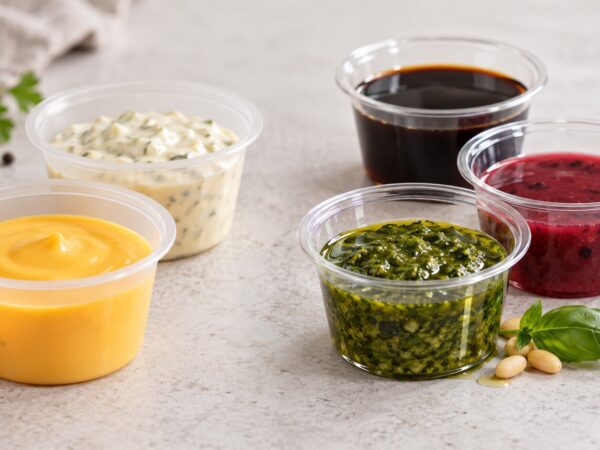
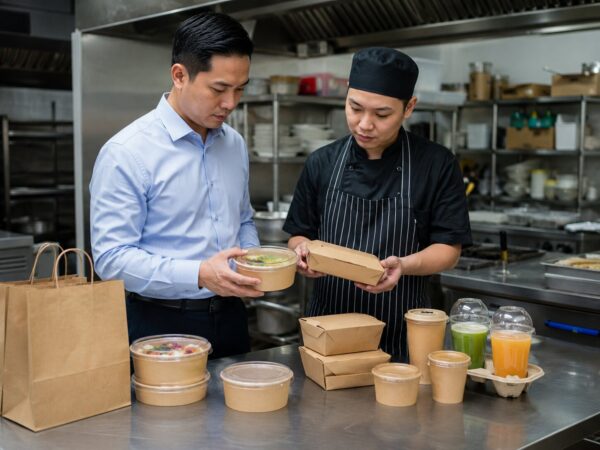
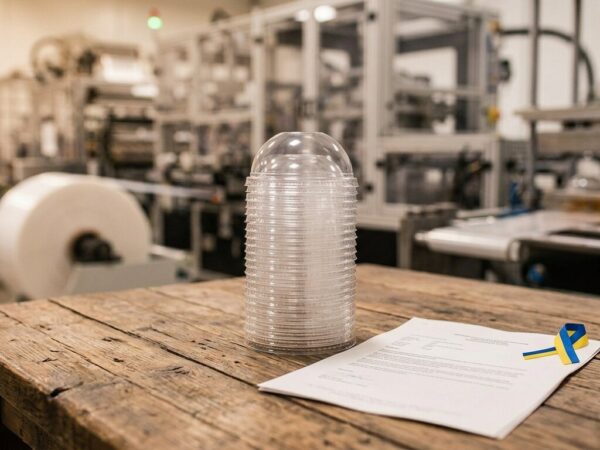
We provide high-quality polypropylene tape/film of our own production, specifically designed for food industry packaging. Our film complies with European Regulations and all international quality standards, having passed rigorous testing.
-
 How to Choose PET Film for Thermoforming: Characteristics and Application FeaturesMore details
PET film for thermoforming is selected according to the specific product, mold, and production line...
-
Sauce Cups and Mini Containers (10–50 ml): Closure Options, Materials, and Leak Resistance During TransportationMore details
In food delivery, every packaging detail matters. Food containers will not save an order if...
-
How Packaging Affects Ratings on Glovo and Bolt Food: A Guide for Restaurants and Coffee ShopsMore details
Delivery customers evaluate not only the taste but also the condition of the order when...
-
Dome-Lid Cups for Summer Drinks: How to Choose the Ideal Packaging for a Coffee Shop or Fast-Food BusinessMore details
The summer season is the peak period for selling refreshing cocktails, iced coffee, smoothies, and...
-
How a Coffee Shop Can Reduce Packaging Costs: Purchasing Directly from the ManufacturerMore details
Every coffee business owner knows that the profitability of an establishment depends on many small...